This is cinema as social commentary & call to action.
This is art as anti-propaganda.
This is why despots everywhere deride & fear the power of uncensored, well-informed visual media, and why they combat it with a barrage of lies.
This is power. Power to tell the truth. Power to change the world.
Let’s talk about The Seed of the Sacred Fig, a film everyone in Hollywood & the Academy should be discussing with reverent praise.
The Seed of the Sacred Fig
Premiere: May 24, 2024 (Cannes Film Festival)
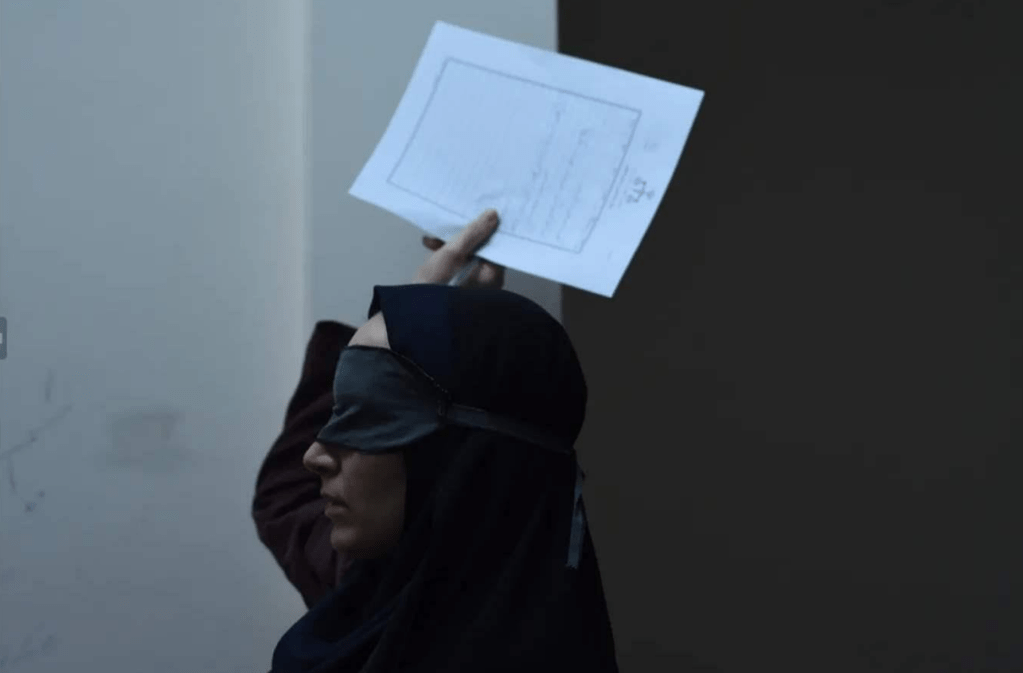
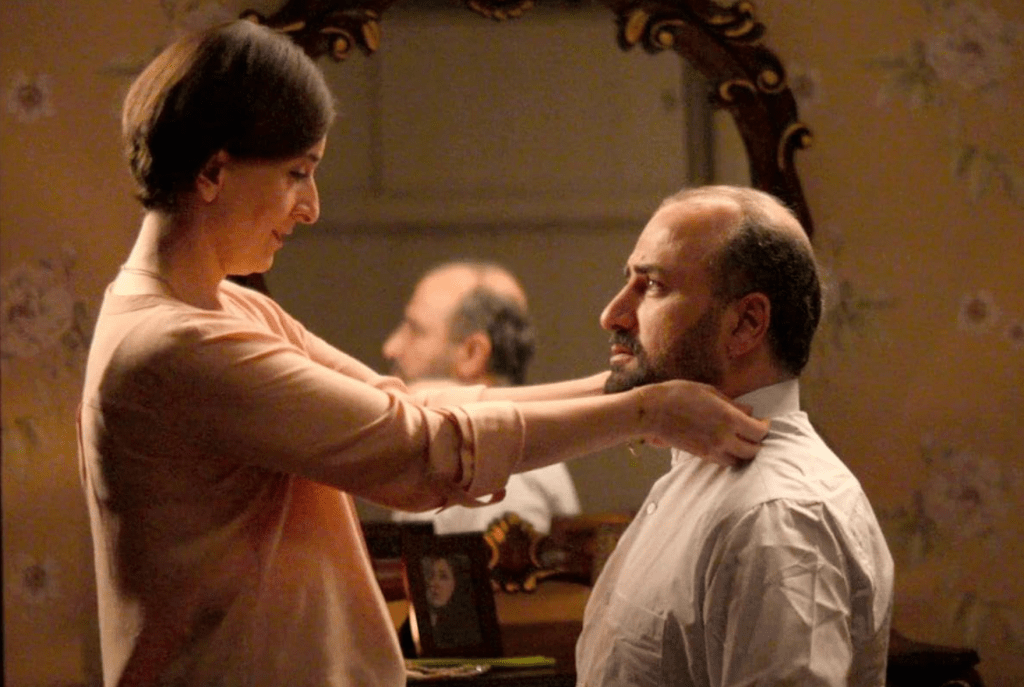
In Tehran, Iman (Missagh Zareh) — a lawyer with a prior history of integrity, loyalty, and piety — is promoted to a higher-salaried investigating judge position within the Revolutionary Court amid a time of massive social unrest & upheaval. As he is pressured to abandon all honest principles and prosecute (to a lethal extent) innumerable innocent individuals for expressing their discontent with authoritarianism, this dream job becomes a nightmare.
Iman’s daughters, Rezvan (Mahsa Rostami) & Sana (Setareh Maleki), grow increasingly at odds with their father, as his role in a tyrannical regime begins to clash with their own dreams of liberty. Just as the tension already feels peaked, one missing gun unleashes a new wave of paranoia, which threatens to unravel the entire family. Even Najmeh (Soheila Golestani), Iman’s wife, the most stalwart of them all, is pushed toward a breaking point. Trust erodes, and draconian, inhumane practices are unleashed on loved ones — causing a permanent rift between the father & his family, between oppressor & oppressed.
I absolutely cherish The Seed of the Sacred Fig. It is important, it is profound, and it is eternal. Why hasn’t it been nominated for more Oscars? I don’t know, but in my heart, and with my words, I will offer both support and acclaim.
The vast majority of film critics & cinephiles have heaped adoration upon this film, which enjoys an 84 “Must-See” rating on Metacritic, 96% “Certified Fresh” on Rotten Tomatoes, 7.6 out of 10 on IMDb, and 3.9 out of 5 on Letterboxd.
I’ll admit some sequences early on felt slightly slow, but this is the only criticism I can invent, and it honestly doesn’t matter. Be patient. We need time to immerse ourselves in this family. In hindsight, I actually want to watch the beginning again, to find more details. I want to see this entire film again, and again, and again.
Overall, the experience for the audience is one which is deeply engrossing, perfectly acted, and expertly crafted.
I am not going to say anything remotely faultfinding about The Seed of the Sacred Fig anywhere else in this review because I can’t, and because there’s honestly very little to critique. It’s not the sort of film you pick apart. It is so much bigger than a random blog or a comment online. It is monumental & salient. If there were ever a time to simply watch & be moved, it’s right here, right now.
The Miracle Movie
This film’s backstory is arguably as intriguing — perhaps more intriguing — than the film itself, which is already an incredible watch. The Seed of the Sacred Fig was made in secrecy, since the country in which it is based would never permit something so politically unfettered. Its mere existence is miraculous, its journey harrowing.
Director Mohammad Rasoulof was in the middle of production when a renewed, bogus prison sentence was conjured up for him. He’s already been incarcerated before, and not because he’s done anything nefariously wrong. The only reason? Rasoulof’s country does not approve of his thoughts or words.
Not long after this sentence, around the time filming was complete (achieved only because the appeal process bought some extra time), he was definitively sentenced, deciding within hours whether to turn himself in or run away.
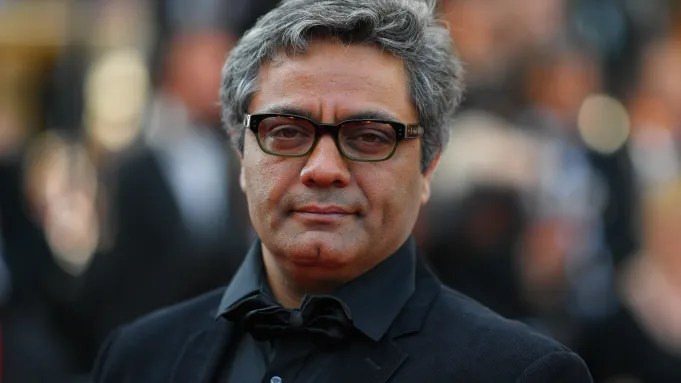
Across a span of 28 days, which included crossing the Iranian border by foot, Rasoulof escaped to Europe, as did other members of the production. He left his electronic devices behind, and the footage had to be smuggled from Iran to Germany. Post-production was conducted in the latter country.
The director is still wanted by Iranian authorities, officially facing eight years in prison, confiscation of property, a fine, and a flogging.
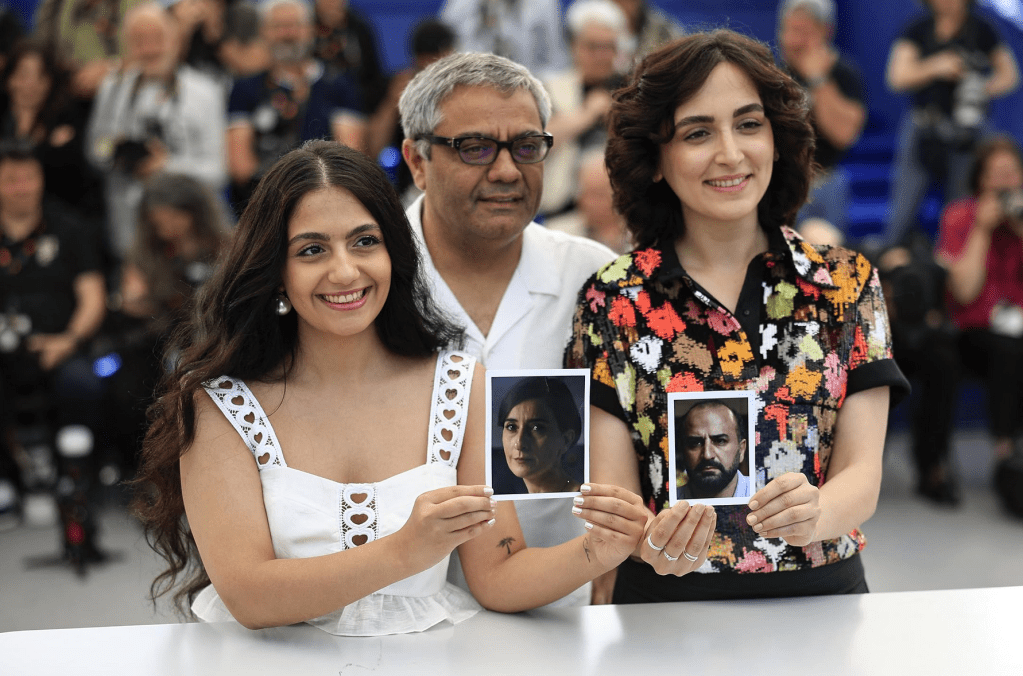
Some cast members were able to attend the Cannes Film Festival premiere, in which The Seed of the Sacred Fig won the Special Jury Prize and was nominated for the Palme d’Or. Others remain trapped in Iran. Many people are at risk, along with their families, for being involved and freely expressing themselves.
Specifically, Soheila Golestani and Missagh Zareh were not at Cannes, and are barred from leaving their country. The cinematographer’s office was raided. Numerous individuals are being interrogated. The list goes on.
I hope everyone, every single person who made The Seed of the Sacred Fig, stays safe and lives free. Truly. Be proud of what you’ve done, never be undaunted, always keep your head up. You have endured things I can scarcely imagine with grace and finesse. You are heroes.
Fictional Characters, Real Circumstances

The Seed of the Sacred Fig is, inherently, a story about living in an authoritarian regime, created by a cast & crew actively living in one. The characters are not real, though their world is, and millions of people just like them are.
The film itself is infused with actual footage of protests & uprisings in Iran, especially around 2022 & 2023. Around this time, a 22-year-old woman — Mahsa (or Jina) Amini — suspiciously & viciously died after being arrested for a hijab-related violation. The uproar, and its subsequent quelling by police & other (often brutal) government forces, is chaotic, horrific, disturbing, and real.
Theocracy, autocracy, oligarchy, and tyranny abounds these days, on nearly all continents, and it disproportionately causes the suffering, persecution, and objectification of women.
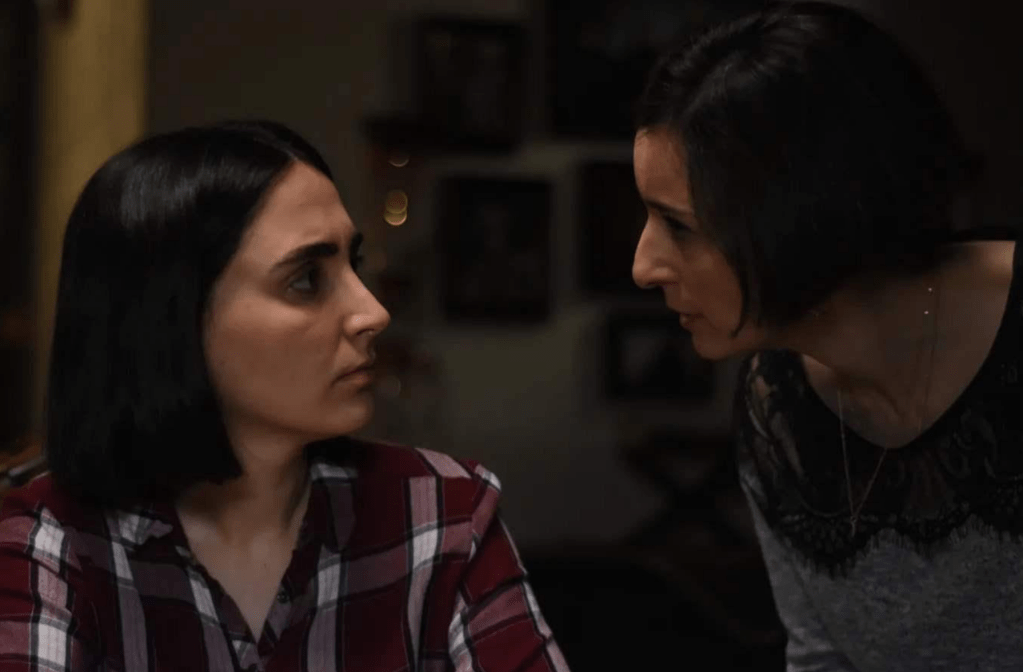
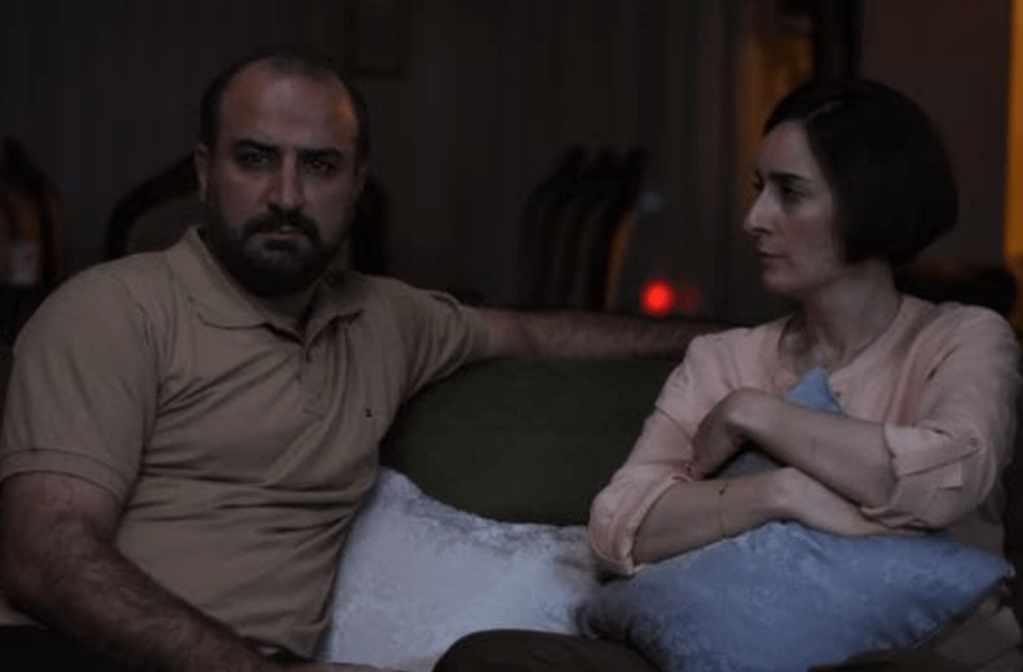
This entire narrative is centered on the empowerment of its female characters. Iman is a major character, sure. His arc is compelling, the performance is captivating, that final shot is symbolic on multiple levels, yet this is not ultimately his story. The finale belongs to Najmeh, Rezvan, and Sana.
There is another actress, too, who doesn’t appear in the second half but really makes an impression in the first: Niousha Akhshi. She portrays Sadaf, Rezvan’s best friend and a kindhearted student who gets caught up in the friction of a protest as it is being forcibly dispersed. Sadaf prompts a moral conundrum for Najmeh especially, who is often torn between her traditional trust in the institutions of her country and her human desire to help someone in desperate need. When no one is safe, and everyone is being watched, looking out for each other is a massive risk.
All four of these women give exceptional performances, and I especially would have liked to see Mahsa Rostami nominated for the Best Supporting Actress Academy Award. You were astonishing, heart-wrenching, heart-filling, and brilliant.
Acknowledge Every Sacrifice & Every Risk with Your Attention
The Seed of the Sacred Fig has one Oscar nomination. I would’ve offered four: Best Picture, Best Director, Best International Feature, and Best Supporting Actress. There is absolutely no question about it — Mohammad Rasoulof should have been recognized. He, more than any other director this year, has risked everything — everything — to make this film.
I cannot imagine anything more courageous when faced with oppression & repression than to boldly & defiantly talk back — to speak up — no matter the consequences.
See this movie, simply to honor the bravery & sacrifice each participating individual has made. People are being locked up, perhaps tortured, emotionally or physically, over a movie.
It is a reminder of liberty’s necessity & fragility. It is also a reminder that no nation is immune. This is an Iranian story, but the struggle against injustice is a global one, even in America.

Earth is messy. The government of Iran has done terrible things to its own people. The government of the United States has done terrible things to its own people, and abroad, to people in Iran & so many other places. One glance at any world history book proves that.
But governments change, leaders change. Beneath all of that, everyday human beings are living their lives. An American heart beats the same as an Iranian one. Iranian children cry, laugh, and play — as do American kids. We all feel pain, joy, regret, pride, vulnerability, strength, fear, courage. We are all yearning for better, freer lives.
So, as much as nations share a collective complicity in the injustices & atrocities we’ve all committed, we also share a collective responsibility, a collective capability, a collective hope, to lift each other up, heal old wounds, speak universal truths, and effect enduring changes.
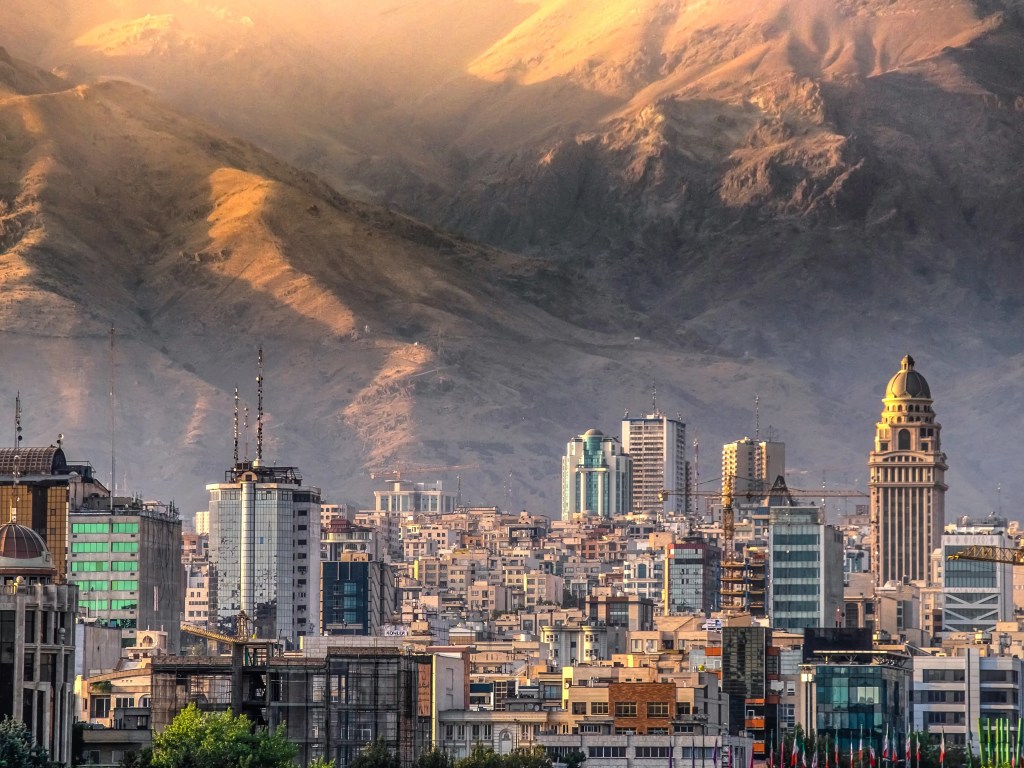
As a film exploring Iranian oppression gets a brief moment in the spotlight at America’s most prestigious cinematic ceremony, let us remember we are all human, and our humanity is a unifying force. So many powerful leaders in this moment want us to be merciless, selfish, arrogant, and vindictive. They want us to blame, to divide, to mistrust.
Why not listen? Why not care? Why not seek peace? Why not be kind? Is this not strength? I happen to believe kindness is the strongest, wisest attribute in the entire universe.
When humanity is on the big screen, nothing feels so far away. Experiences thousands of miles from us feel right on our doorstep, because they are. Empathy made manifest. Bad things can & will happen anywhere, but good things are possible, too.
I know some of us don’t want to see depressing, searing movies because real life is already painful enough. I get that. I do. Still, I believe vulnerable, sincere, social stories, even when bleak, are intrinsically hopeful because they’re being told.
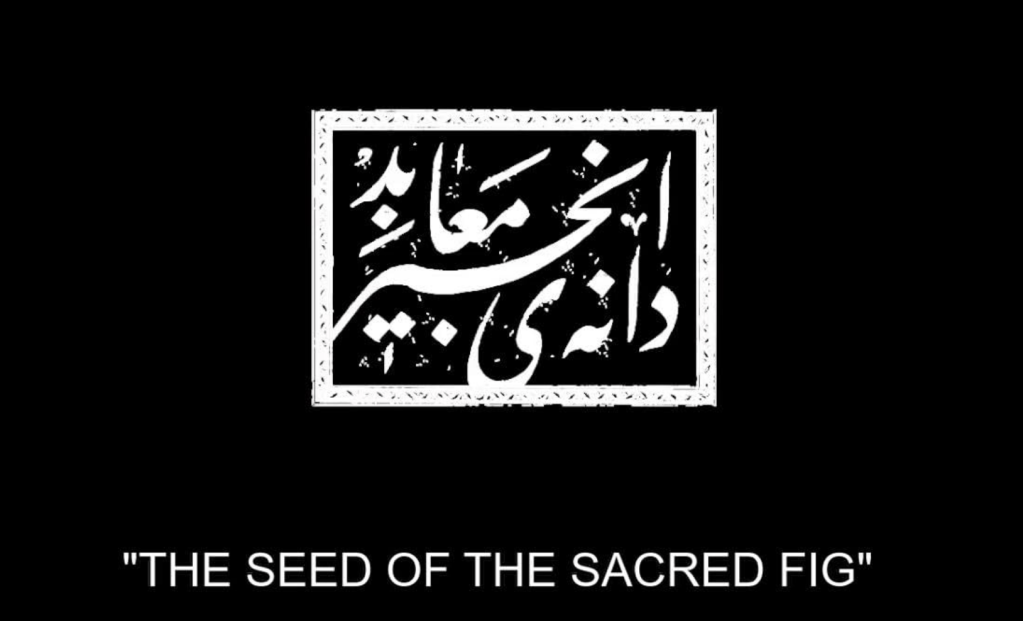
The Seed of the Sacred Fig, an intimate thriller which prompts critical thought & meaningful commentary, which identifies & indicts injustice, cannot be missed.
Let the filmmakers know you saw it. Let them know you loved it. Let them know you will not forget them or their message.
This is dissent. This is resistance. The revolution will not be televised, but it will be seen by those willing to open their eyes.
The Seed of the Sacred Fig receives a 10 out of 10.
Additional Information:
- Director: Mohammad Rasoulof
- Writer: Mohammad Rasoulof
- Cinematographer: Pooyan Aghababaei
- Music: Karzan Mahmood
- Production Companies: Run Way Pictures, Parallel 45, ARTE France Cinéma
- Distributors: Pyramide Distribution, Alamode Film, Lucky Red, BiM Distribuzione
- Countries: Iran, Germany, France
- Images of Film from IMDb

For more film analysis, reviews, and thoughts, visit Cinemania.
 Home
Home 
One response to “‘The Seed of the Sacred Fig’ — A Cinematic Act of Resistance”
Thank you for this insightful review. It has definitely inspired me to see the film.
LikeLiked by 2 people